Palmdale highlight
Air Force Plant 42 heritage
Activated during World War II and continuously serving advanced aircraft development since, Air Force Plant 42 remains one of America's premier aerospace manufacturing and test facilities.
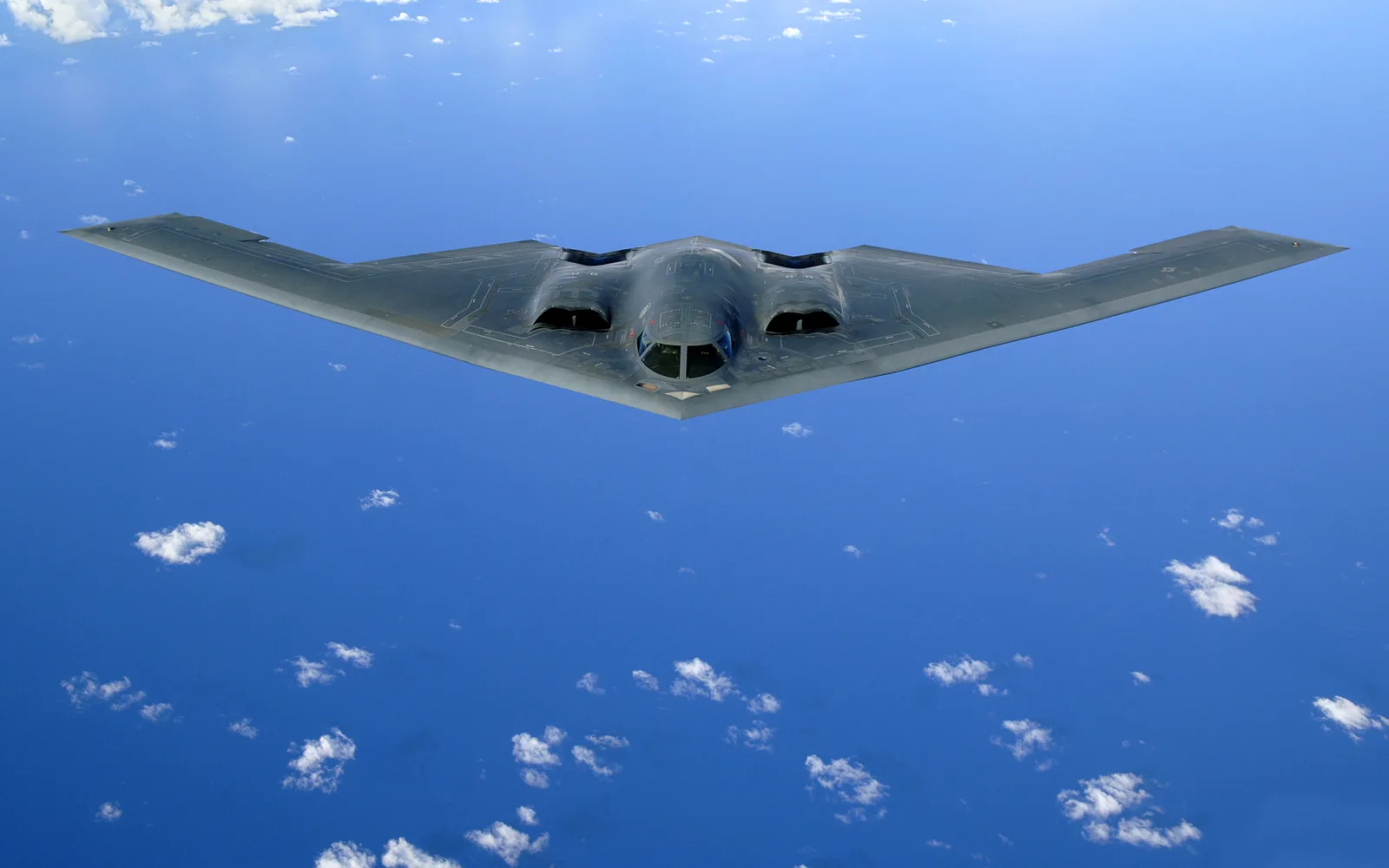
The history of Air Force Plant 42 reflects the history of American air power. The site began in 1935 as an emergency landing field built by the Civil Aeronautics Administration, listing simply as CAA Intermediate #5. In 1940, as the country moved toward World War II, it was formally activated as Palmdale Army Airfield. After the war, the facility was declared surplus and returned to Los Angeles County. The Korean War's outbreak in 1950 brought the Air Force back: they reactivated the base, acquired the land from the county in 1951, and transferred federal ownership in 1954 after commissioning Lockheed to develop the site into a modern aerospace plant.
From that 1954 planning forward, the plant evolved into what it is today: a government-owned, contractor-operated facility where Boeing, Lockheed Martin, and Northrop Grumman design and build advanced military aircraft. The Space Shuttle orbiter fleet was assembled here. The facility has supported development of the B-1 Lancer, B-2 Spirit, F-22 Raptor, F-35 Lightning II, and other platforms that define modern aerial dominance. Today it remains one of four Air Force plants in the United States and one of the most important aerospace manufacturing centers in the world.
Eight decades of continuous aircraft development have embedded the plant in Palmdale's identity and economy. Engineers and technicians who build these aircraft represent a multigenerational commitment to precision, innovation, and the kind of technical skill that commands good wages and steady work. That stability is the foundation families build on: a career that will last decades, responsibility for people who depend on that income, and the forward-thinking that says you owe them protection if something happens to you. Term life insurance, bought early and sized to cover the working years ahead, is how families in aerospace do that.